Why moisture problems occur in the bathroom
A bathroom is naturally a damp space. Every time you shower or take a bath, warm, moist air is released. If this moisture is not removed properly, it stays in the room.
That is exactly where problems start. When you do not take preventing bathroom moisture problems seriously, moisture can build up in:
walls
grout
ceilings
furniture
Over time, this can lead to mould, peeling paint and even structural damage.
-
Good ventilation is the basis
The most important step in preventing bathroom moisture problems is ventilation. Without good air circulation, moisture simply stays in the room.
There are two types of ventilation:
Natural ventilation
Think of a window you can open. This already helps a lot, especially right after showering.
Mechanical ventilation
A ventilation system or extractor fan is often even more effective. It actively removes moist air.
Tip: always turn on the ventilation during and after showering. This helps you prevent bathroom moisture problems in the right way.
-
Dry the bathroom after use
A simple but very effective way to improve the prevention of bathroom moisture problems is to dry surfaces.
For example, use:
a squeegee for the shower walls
a cloth for the mirror and taps
drying wet towels outside the bathroom
The less water is left behind, the smaller the chance of moisture problems.
-
Choose the right materials
Not all materials are suitable for a damp space. If you really want to focus on preventing bathroom moisture problems, material choice is very important.
Good choices are:
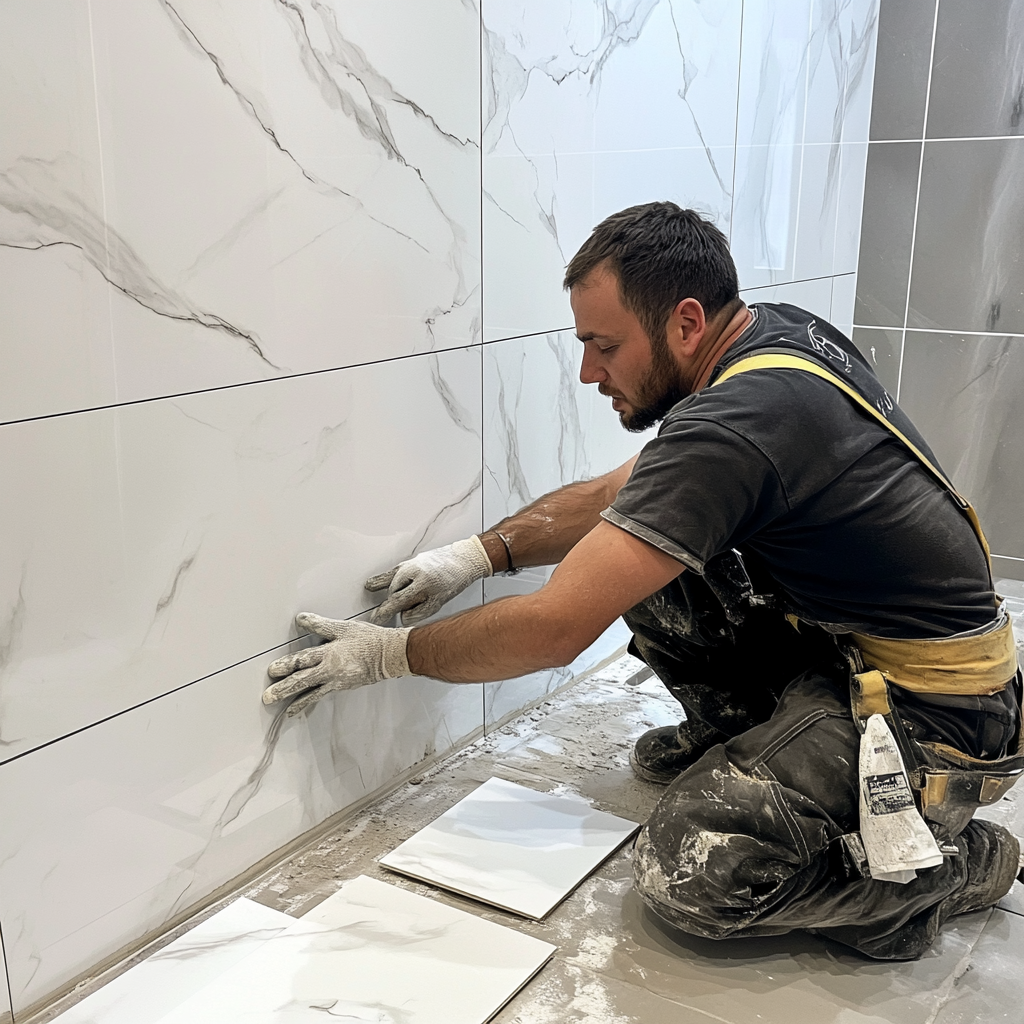
ceramic tiles
water resistant paint
plastic or coated wood
stainless steel or matt finished taps
Avoid untreated wood or materials that absorb moisture, because they increase the chance of problems.
-
Make sure there is good insulation
An often forgotten part of preventing bathroom moisture problems is insulation. Poor insulation causes cold spots, and moisture condenses faster there.
With good wall and ceiling insulation:
you prevent condensation
the temperature stays stable
you reduce mould growth
-
Heating also plays a role
Warm air can hold more moisture than cold air. That is why a well heated bathroom helps with preventing bathroom moisture problems.
A few smart solutions:
underfloor heating
designer radiator
constant light heating instead of short peaks
This helps the room dry faster after use.
-
Pay attention to sealant edges and grout
Sealant edges and grout are often the weakest spots in the bathroom. If they are damaged, moisture can easily get behind walls or under tiles.
Regularly check:
cracks in sealant
discoloured grout
loose edges
Good maintenance is essential for preventing bathroom moisture problems.
-
Smart bathroom layout
The way your bathroom is laid out also affects moisture problems. For example, a shower without proper screening spreads more moisture through the room.
When designing a bathroom, you can prevent bathroom moisture problems by choosing:
a well enclosed shower cabin
strategically placed ventilation
enough distance between wet and dry zones
-
Regular maintenance prevents major problems
Moisture problems often do not appear in one day. They build up slowly. That is why regular maintenance is important for preventing bathroom moisture problems.
Think of:
cleaning the ventilation
checking sealant edges
removing mould spots immediately
airing the bathroom well
-
Prevent mould directly at the source
Mould is often the first visible result of moisture problems. As soon as you see this, you need to act immediately to keep preventing bathroom moisture problems under control.
Use mould cleaners and then make sure the cause, often ventilation or moisture build up, is solved.
Conclusion
Preventing bathroom moisture problems is about a combination of smart choices and good daily use. Ventilation, material choice, maintenance and a well thought out layout all play an important role.
If you apply these steps properly, your bathroom will not only stay more beautiful, but also healthier and more durable in the long term.
You can find more tips about ventilation and moisture in the home on Milieu Centraal.
Do you want a bathroom without moisture problems?
At Jouwdroombadkamer, we design bathrooms that are not only beautiful, but also practical and moisture resistant.
Book a free consultation through our website and discover how we can create your dream bathroom.