What exactly does a steam cleaner do?
A steam cleaner may sound like something you only find in an industrial kitchen, but it also works surprisingly well in the bathroom. The device heats water until it becomes steam, which comes out of a nozzle under high pressure. The hot steam loosens dirt, kills bacteria and melts grease and soap residue without the need for heavy scrubbing. You do not need cleaning products. The power is in the heat.
What can you use a steam cleaner for in the bathroom?
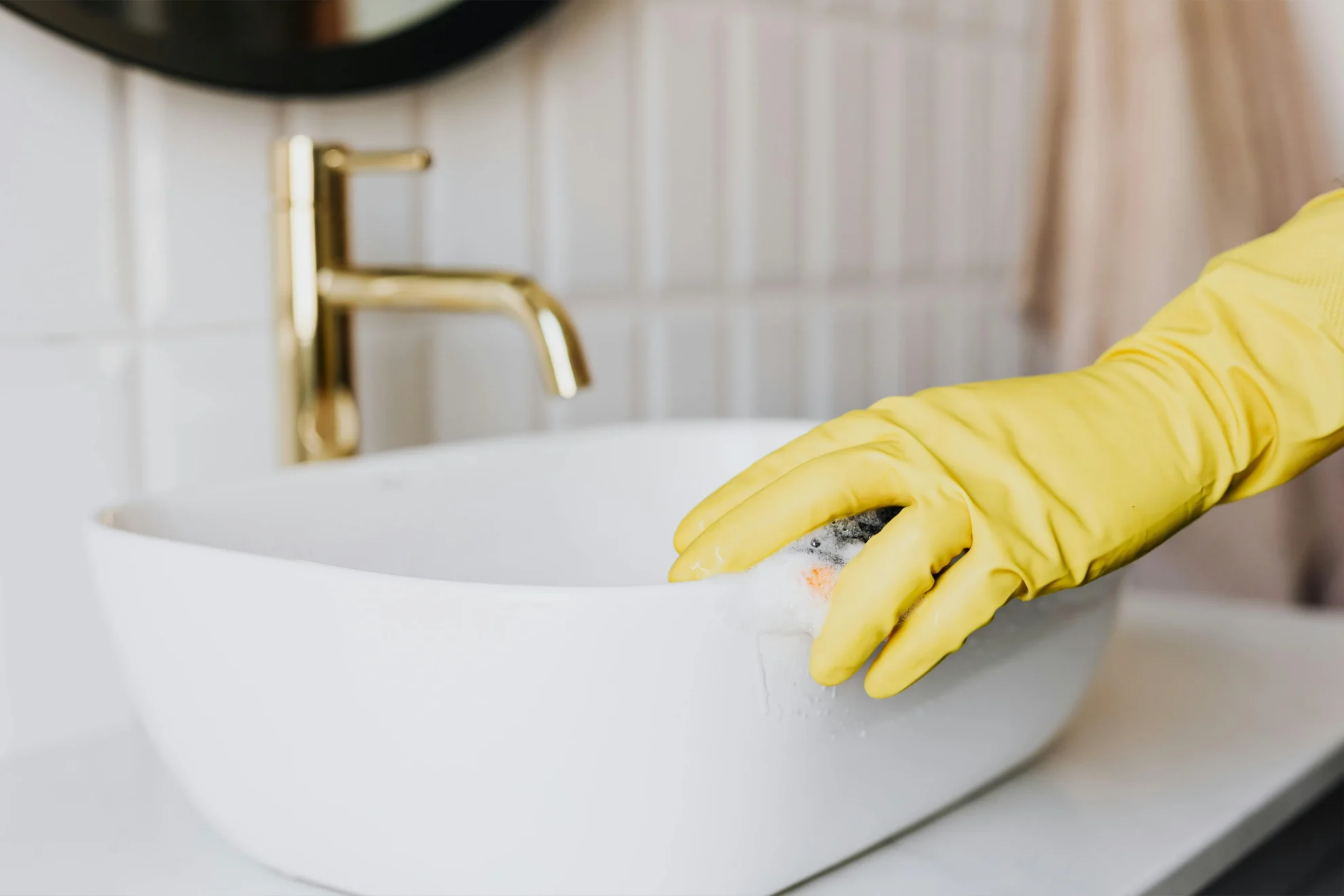
A steam cleaner works best on hard, water resistant surfaces. Think of wall and floor tiles, glass shower walls, grout, taps and even the grille of your ventilation system. The steam loosens dirt, so you can easily wipe it away afterwards with a microfibre cloth. Grout in particular can visibly improve. The hot steam penetrates deep into the porous surface, where dirt often builds up. Limescale on glass or taps also loosens more easily through the combination of heat and pressure.
The benefits of cleaning with steam
Steam cleaning has one major advantage: you no longer need cleaning products. No chlorine smell in your nose, no harsh sprays on your skin. The heat of the steam kills bacteria and mould, which is especially useful in damp spaces. Do you suffer from mould in the grout or musty smells around the shower drain? Then a steam cleaner can make a big difference. Steam also works surprisingly quickly. Because dirt is loosened, you need to scrub less.
And what are the downsides?
A steam cleaner may sound like a miracle solution, but it is not always the right option. Not every surface can handle heat and moisture. Think of natural stone, wood or old sealant edges that can discolour, crack or come loose. You also need to be careful with water sensitive glue or grout. Steam cleaning also takes some preparation and patience. The device needs to heat up, you need a socket nearby, and it does not clean everything perfectly in one go. Stubborn limescale or dried soap residue may only disappear after several treatments. You also need to maintain the steam cleaner properly. Limescale inside the steam cleaner itself can also become a problem. So regular descaling is really a must.
When is a steam cleaner useful?
A steam cleaner is especially useful if you clean regularly and want a fresh result without chemical products. For example, because you are sensitive to cleaning products.
It can also help with stubborn dirt, such as mould in the grout or limescale on the shower wall. Steam can give just that extra push to loosen it, especially if you normally have to scrub hard to get the same result.
Limescale, soap residue and grout: what really works?
Steam works well against light limescale and soap residue, especially if you clean regularly. On glass shower walls, you quickly see results: the heat loosens the residue, and you can wipe it away with a cloth. Grout is a different story. Steam can certainly help, but it depends on how deep the dirt is. With light dirt, it already looks fresher after one treatment. Has the mould been there for years? Then more is often needed. For example, a special grout cleaner or even partly renewing the grout.
Limescale free and fresh
A steam cleaner can make bathroom maintenance a lot easier. It is not a miracle solution, but it is a powerful tool. Would you prefer bathroom materials that require little maintenance? Or a layout that makes cleaning easier? Then it all starts with a good design. Get advice and discover how your dream bathroom can be not only beautiful, but also practical.