Why does mould appear in the bathroom?
The main cause of mould in the bathroom is moisture. During showering, warm steam is released and spreads through the whole room. If this moisture cannot escape properly, it stays on walls, ceilings and tiles.
In damp places, mould in the bathroom can develop quickly. Dark and poorly ventilated areas are especially sensitive to mould. Think of:
Sealant edges near the shower
Corners of the ceiling
Tile grout
Around windows or ventilation grilles
When moisture stays for a long time, mould in the bathroom gets the chance to spread. That is why it is important to remove moisture as quickly as possible.
- Make sure there is good ventilation
One of the most important ways to prevent mould in the bathroom is good ventilation. By letting fresh air in, moisture can disappear faster.
You can improve ventilation by:
Opening a window after showering
Leaving the bathroom door slightly open
Using a ventilation system
With good ventilation, mould in the bathroom has less chance to appear.
- Dry the bathroom after showering
Many people leave water drops on tiles and shower walls. Still, it can make a big difference to quickly dry the bathroom after showering.
For example, use a squeegee for:
Shower walls
Tiles
Glass
By removing water residue, less moisture is left behind. This reduces the chance of mould in the bathroom.
- Keep the bathroom warm
A cold bathroom can cause moisture to stay longer. When warm air cools down, condensation appears on walls and tiles. This can contribute to mould in the bathroom.
By heating the bathroom properly, the space dries faster. Think of:
Bathroom radiators
Underfloor heating
A warm bathroom therefore helps reduce mould in the bathroom.
- Clean the bathroom regularly
Regular cleaning is also important to prevent mould in the bathroom. Grout and sealant edges are especially places where mould can develop quickly.
For example, use:
Bathroom cleaner
Cleaning vinegar
A soft brush for grout
By cleaning the bathroom regularly, mould in the bathroom has less chance to spread.
- Check sealant edges and grout
Old or damaged sealant edges can become a place where mould in the bathroom appears. If the sealant no longer closes properly, moisture can enter more easily.
Regularly check:
Sealant edges near the shower
Sealant around the bath
Tile grout
When sealant is damaged or discoloured, it can be smart to replace it. New sealant helps prevent mould.
- Use a good fan
In bathrooms without a window, a fan is often essential. A fan makes sure moist air is removed faster.
A good ventilation system can help prevent mould in the bathroom because moisture stays in the room for less time.
Mould often appears because of moisture and poor ventilation in the home. Especially in damp rooms such as bathrooms, mould can grow quickly. According to Milieu Centraal, good ventilation is therefore important to prevent mould.
- Choose moisture resistant materials
During a bathroom renovation, it is smart to choose materials that can handle moisture well. This reduces the chance of mould in the bathroom.
Think of:
Waterproof paint
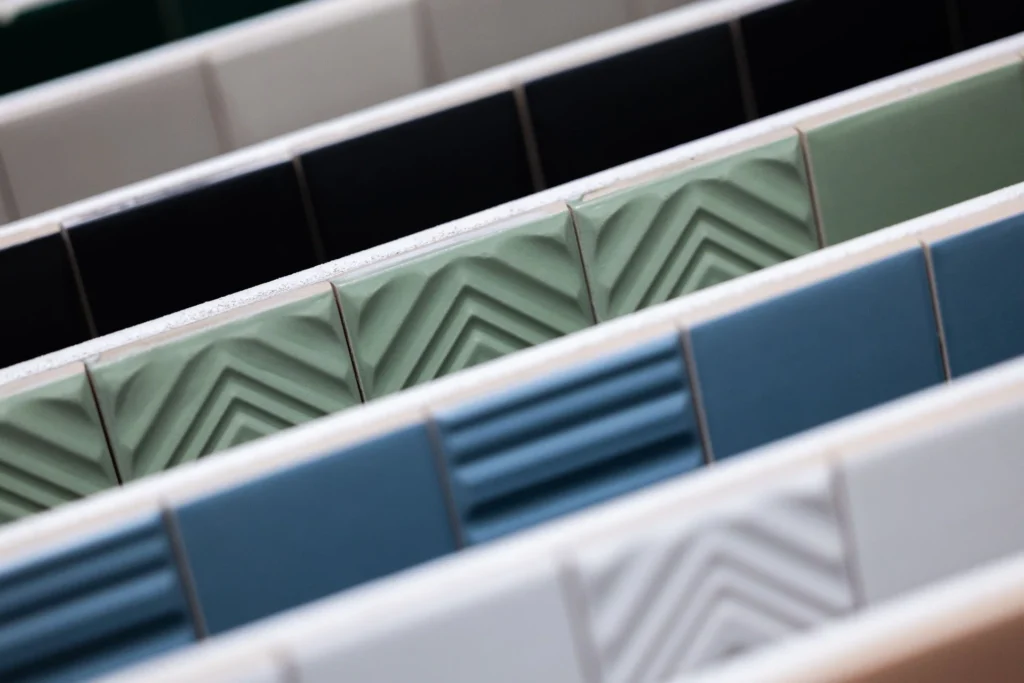
High quality bathroom tiles
Good sealant and grout
With the right materials, the bathroom stays beautiful and clean for longer.
Preventing mould in the bathroom starts with a good bathroom
A well designed bathroom helps prevent mould. Good ventilation, smart layout and high quality materials all play an important role.
By paying attention to these points, your bathroom stays fresh, clean and comfortable for longer. This way, you can enjoy a bathroom without moisture problems every day.
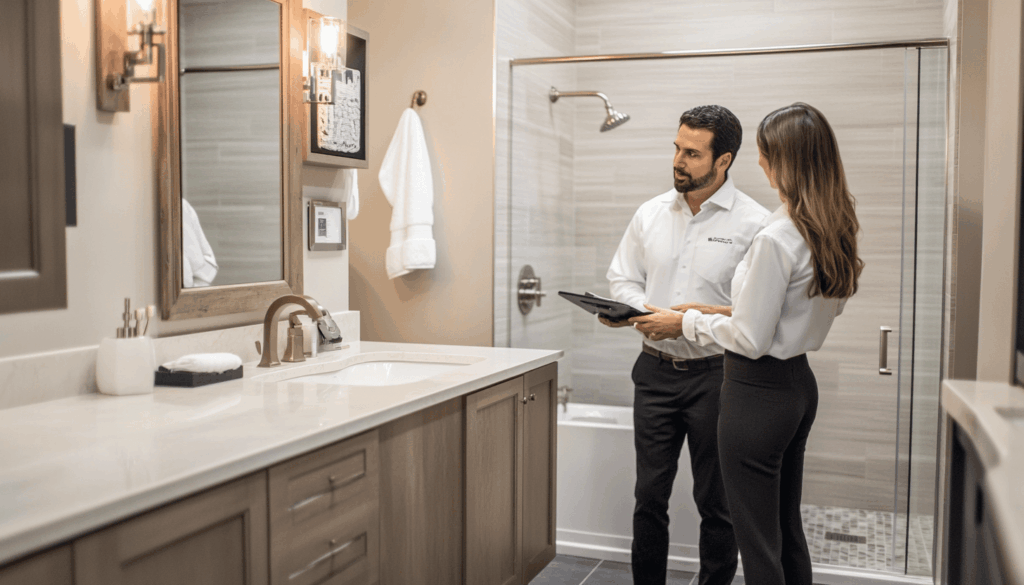
Do you want to renovate your bathroom or get advice about a bathroom that stays easier to clean? Book an advice meeting. The specialists at Jouwdroombadkamer are happy to think along with you about a bathroom that stays practical, stylish and free from mould in the bathroom.